
- 2020s
- animated documentary
- Animation Series
- Animation Types
- Bill Hanna
- Countries
- Evelyn Lambart
- Genre
- Hans Fischerkoesen
- Hungarian animation
- Joe Barbera
- Marcell Jankovics
- Mayazaki Hayao
- Mutt and Jeff
- Netherlands
- Norman McLaren
- Pannonia Studio
- People
- psychedelic animation
- Research Subjects
- Sony Pictures Animation
- Studios
- Timeline
- V
-

Welcome…
Welcome to the Early Animation Wiki! We are a collaborative place to share information on the early days of animation.
-
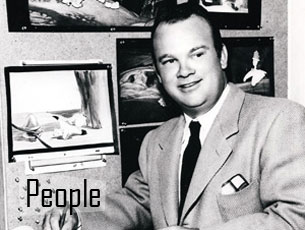
People database
Find biographical information on animators, directors, background artists, composers voice actors, and more. Pictured: Tex Avery.
-
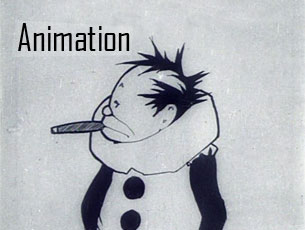
Animation database
Watch examples of early animation, complete with links to information about the cartoons, their makers, and their studios.
-
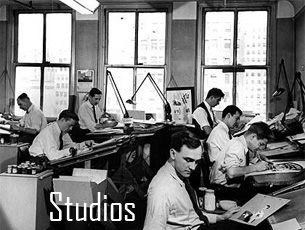
Studio database
Histories of the studios responsible for producing and distributing early animation.
-
Resources
Find information on early animators, animation studios, artistic movements, influences, and more in books, journal and magazine articles, and links to websites, blogs, and collections.
-
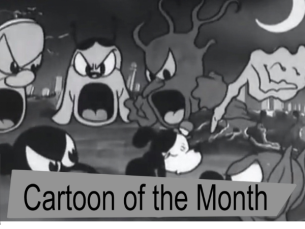
Animation of the Month: Swing You Sinners !
As Halloween approaches at the end of October, this month’s cartoon is Swing You Sinners! (1930), a musical cartoon short about a bog named Bimbo who is followed by demons after attempting to steal a chicken.
-
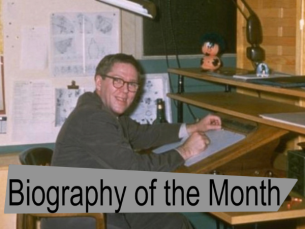
Biography of the Month: Al Eugster
This month’s biography is of the animator and comic artist Alfred “Al” Eugster.
-

Link of the Month: Toronto After Dark
Toronto After Dark is a film festival located in Toronto, Ontario, which will take place from October 14th-18th, 2026. The festival features new films in the genres of horror, thriller, and sci-fi. The festival also has a specific sub-category which features animated films.
-

Explore: Fabulous Fleischer Cartoons Restored
Created by Jane Fleischer Reid, daughter of Max Fleischer, the Fabulous Fleischer Cartoons Restored project is dedicated to the collection, restoration, and digitization of Fleischer studio cartoons. On their site they have a video collection where you can get an inside look into the process of restoring and preserving the cartoons.